November 12, 2026
How Long Does Paint Protection Film Last on a Colorado Daily Driver?
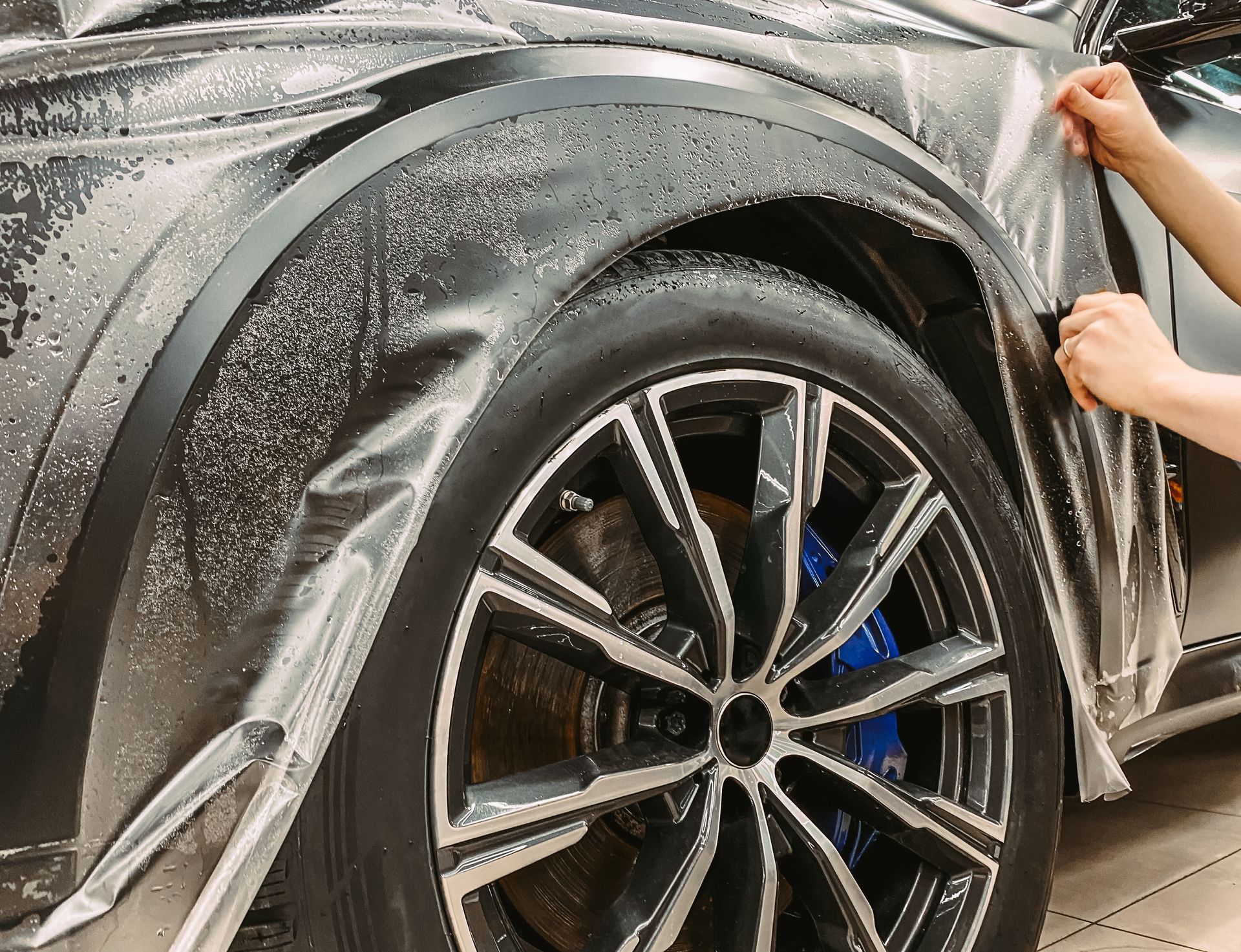
You just drove your new vehicle home, and within a week of commuting on I-25 you hear it: the sharp tick of gravel hitting the hood. For Denver-area drivers, that sound is the main reason paint protection film (PPF) is worth considering. Before you invest, though, it's fair to ask a practical question: how long does PPF last?
The short answer is that a quality, professionally installed film typically lasts around 7 to 10 years, and often longer with good care. A budget film may only look good for a few years before it yellows, cracks, or starts lifting at the edges. Below, we break down what affects PPF lifespan in Colorado, how premium film compares to budget film, and how to keep your film clear for as long as you own your vehicle.
What Is Paint Protection Film?
Paint protection film is a clear layer of thermoplastic urethane applied over your vehicle's painted surfaces. When a rock strikes the film, the urethane absorbs and disperses the energy so the paint underneath doesn't chip. Premium films also have a self-healing top coat. Light swirl marks and fine scratches in the film fade away when the surface is warmed by the sun or by warm water.
It's important to know what PPF can and can't do. It protects against rock chips, light scratches in the film, bug acids, bird droppings, and UV fading. It won't prevent dents or deep scratches from an accident, and it can't hide scratches that are already in the paint. That's why any existing paint defects should be corrected before the film goes on.
How Long Does PPF Last? The Realistic Answer
How long your film lasts comes down to four things: the quality of the film, the quality of the installation, the conditions it's exposed to, and how it's maintained.
Premium film, professionally installed: around 7 to 10 years or more. Leading film manufacturers commonly back their products with long-term warranties against yellowing, cracking, bubbling, and peeling.- Budget film or a rushed install: often just 2 to 5 years before the film starts to haze, yellow, crack, or lift at the edges.
For a daily driver in Colorado, the conditions part of that equation deserves a closer look.
How Colorado Conditions Affect PPF Longevity
High-Altitude UV Exposure
Denver sits a mile above sea level, and UV exposure is stronger at altitude. Constant sun is the biggest long-term stress on any film's top coat. Older films used to turn yellow under this kind of exposure. Modern premium PPF uses UV-stable adhesives and top coats, and the film Pure Finish Auto Detailing installs blocks 99% of UV rays and is guaranteed not to yellow. That means it protects your paint from fading while holding its own clarity.
Gravel, Sand, and Highway Debris
Commutes on I-25, I-70, US-36, and E-470 put your front end in the line of fire every day, especially in winter when roads are treated with sand and gravel. Quality film can absorb thousands of small impacts over its life, which is exactly its job. Heavily hit areas like the front bumper may eventually show wear, but the good news is that individual panels can be replaced without redoing the whole vehicle.
Winter Road Treatments
Magnesium chloride and salt brine cling to lower panels, wheel wells, and the front of your vehicle. Left to sit, that residue can dull the film's top coat over time. Regular washing through the winter keeps it from building up and helps the film stay glossy.
Hail
We want to be straightforward here: PPF is not hail protection. Film may reduce minor cosmetic marks from small hail, but large hail can still dent panels underneath it. Covered parking during storm season is still your best defense.
Temperature Swings
Colorado can swing from freezing mornings to warm afternoons in a single day. Film that was overstretched during installation, or edges that weren't properly finished, are the first places to lift under repeated expansion and contraction. A careful install with edges wrapped wherever possible holds up much better.
Premium Film vs. Budget Film: Why It Matters Over Time
| Premium Film | Budget Film | |
|---|---|---|
| Clarity | Optically clear, nearly invisible | Can look cloudy or show an "orange peel" texture |
| Yellowing | UV-stable top coat resists yellowing | More likely to yellow over time |
| Self-healing | Light swirls fade with heat | Limited or no self-healing |
| Adhesive and edges | Holds through temperature swings | More prone to lifting and peeling |
| Typical lifespan | Around 7 to 10+ years | Often 2 to 5 years |
The lower upfront price of budget film can disappear quickly. Failing film has to be removed before new film can go on, and low-quality adhesive can make that removal slow and labor-intensive. You end up paying twice for protection that should have lasted for years.
Installation quality matters just as much as the film itself. Dust trapped under the film, visible seams, and lines across the hood all shorten its life and take away from your vehicle's look. At Pure Finish Auto Detailing, we custom-cut the film and wrap the edges wherever possible for a clean, nearly invisible finish.
How to Make Your PPF Last Longer
A few simple habits can add years to your film's life:
- Let it cure. Avoid washing your vehicle for the first several days after installation so the adhesive can fully set. Small moisture spots or slight haze right after install are normal and typically clear up as the film cures.
- Wash regularly, especially in winter. A hand wash every one to two weeks during road-treatment season keeps magnesium chloride and grime off the film.
- Use the right products. Stick with a pH-neutral car soap, a clean microfiber wash mitt, and the two-bucket wash method.
- Skip automatic brush washes. Harsh brushes can scuff the top coat and catch the film's edges.
- Be careful with pressure washers. Keep the nozzle at a safe distance and avoid spraying directly at the film's edges.
- Clean off contaminants quickly. Bird droppings, bug splatter, tree sap, and tar are easier to remove, and less likely to stain, when they're fresh.
- Put the self-healing to work. If you notice light swirl marks, park in the sun or pour warm water over the area to help them disappear.
- Add a ceramic coating on top. A ceramic coating over your PPF adds a slick, hydrophobic layer that makes washing easier and helps keep the film looking fresh.
Choosing the Right PPF Coverage for Your Daily Driver
The right coverage depends on how and where you drive. Pure Finish Auto Detailing offers several paint protection film packages:
- Critical Impact PPF: Covers the front bumper, full hood, and mirrors. Instead of a partial strip that leaves a visible line across the hood, we cover the full hood for a cleaner look and protection on some of the biggest impact areas.
- Full Front PPF: Protects the full front end of your vehicle, where most rock chips happen. This is a popular choice for daily drivers who spend a lot of time on the highway.
- Track Pack PPF: Takes our full front coverage and adds the rocker panels and impact rear fenders. These areas often take hits from rocks thrown by the tires, which makes this package a great fit for trucks, EVs, sports cars, and wider-stanced vehicles.
If you're self-employed and your vehicle is part of how you earn a living, full front coverage helps it look professional for years. Families keeping a new SUV for the long haul, and businesses protecting multiple fleet vehicles, often get the most value from broader coverage like the Track Pack.
Why Denver Drivers Choose Pure Finish Auto Detailing for PPF
Pure Finish Auto Detailing is a woman-owned shop in Northglenn, serving drivers throughout Denver, Thornton, Westminster, Broomfield, and the surrounding area. We focus on new and newer vehicles whose owners want protection that lasts. We use quality film, take the time to install it correctly, and stand behind every install.
We're not the shop that cuts corners to offer the lowest price. Our goal is to protect your vehicle for years, not months, so you never have to pay to redo a job that should have been done right the first time.
Frequently Asked Questions
How long does PPF last on a daily driver?
A premium, professionally installed paint protection film typically lasts around 7 to 10 years or more on a daily driver. Regular washing, avoiding automatic brush washes, and quick removal of contaminants all help it last longer.
Does paint protection film turn yellow?
Older films could yellow over time, but modern premium PPF uses UV-stable adhesives and top coats. The film Pure Finish Auto Detailing installs is guaranteed not to yellow, so your white vehicle stays white.
Can PPF be removed later?
Yes. Quality film can be professionally removed from healthy factory paint. This is one reason it pays to choose a quality film from the start, since low-quality adhesives can make removal much harder.
Is full front PPF worth it in Denver?
For most Denver-area daily drivers, yes. The front bumper, hood, fenders, and mirrors take the majority of rock chips from highway gravel and winter road sand, and full front coverage protects all of those areas.
How much does PPF cost in Denver?
Pricing depends on your vehicle and the coverage you choose. The best way to get an accurate price is to request a free quote from our team.
Get Your PPF Quote in Denver
Ready to protect your vehicle for years to come? Call Pure Finish Auto Detailing at
(720) 541-2336 or request your free PPF quote today. Our team will help you choose the right coverage for how you drive!