October 29, 2026
How Dark Can You Legally Tint Your Car Windows in Colorado?
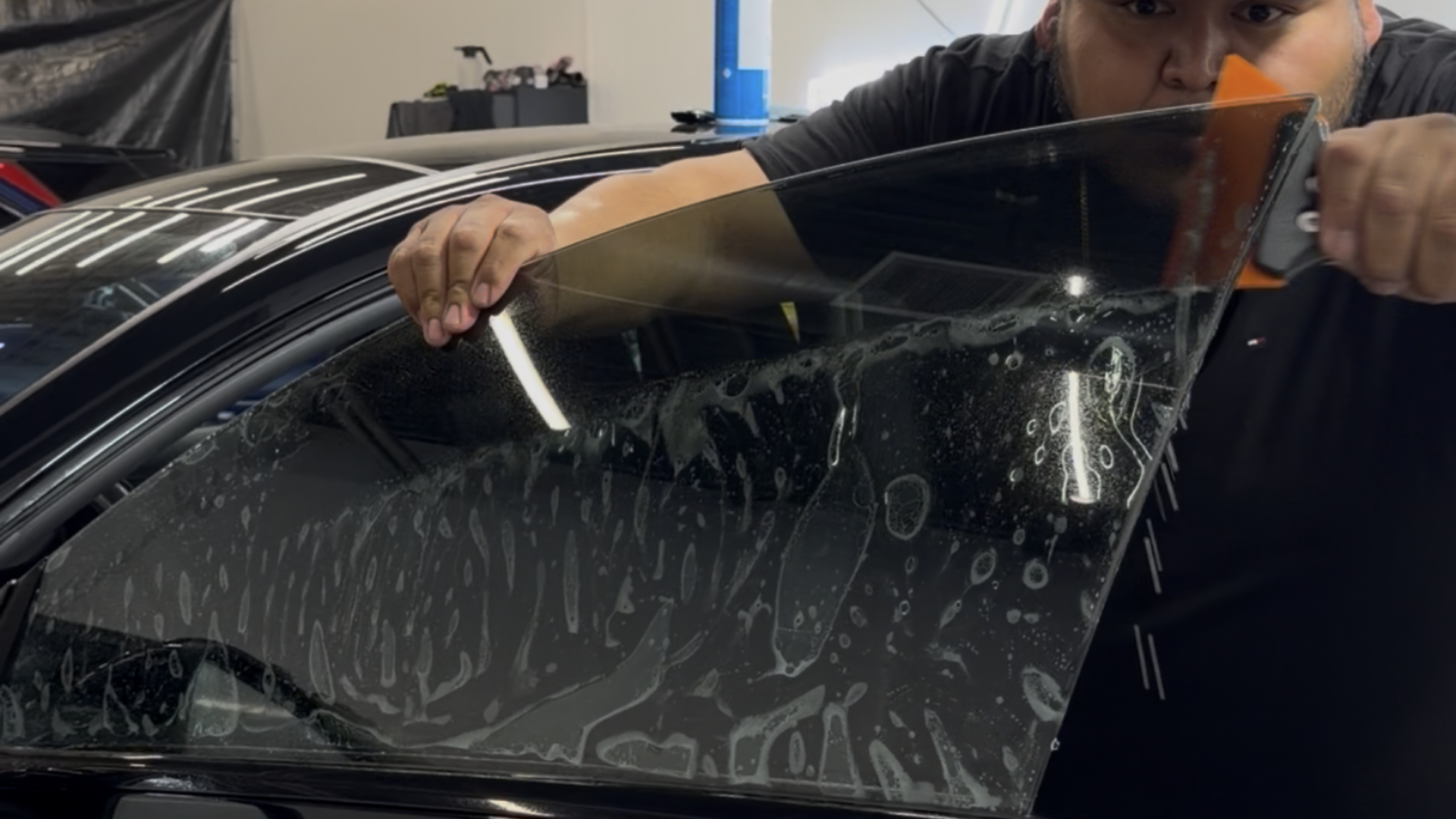
For Colorado-registered vehicles, front side windows generally must transmit at least 27% of visible light, and the windshield must transmit at least 70%. Rear windows may fall below 27% only when the front side windows and windshield each transmit at least 70%. If you are wondering how dark can car windows be tinted legally, those percentages provide the starting point. Choosing compliant tint requires evaluating the finished window, including its existing glass.
At Pure Finish Auto Detailing, we offer professional automotive
window tinting from our Northglenn shop. As a woman-owned, family-operated business, we prioritize personalized attention and quality workmanship. For drivers in Denver, Westminster, and Broomfield, choosing tint should begin with a conversation about comfort, visibility, existing glass, and legal requirements rather than simply selecting the darkest shade available.
Understanding Window Tint Darkness and VLT
Visible light transmission, commonly called VLT, describes how much visible light passes through a window. A lower percentage means a darker appearance, while a higher percentage allows more light through. Understanding this measurement helps you compare options without confusing darkness with overall film quality. It also gives you a practical way to discuss your preferences with an installer before committing to a particular shade.
Why the Film Percentage Is Only Part of the Picture
Glass already reduces light transmission before aftermarket film is installed. For example, glass transmitting 80% of light combined with film transmitting 35% produces approximately 28% overall transmission. This simplified calculation shows why a film label alone cannot establish compliance. Two vehicles fitted with the same film can produce different results because their original glass differs. A meter reading of the completed window provides a more useful check than judging darkness by appearance.
Legal Window Tint Colorado Drivers Should Understand
Colorado’s tint requirements distinguish between the windshield and the other windows. Rear-window choices also depend on the front-window configuration. Before choosing a matching shade throughout the vehicle, consider how each window fits into the complete installation. This is especially useful when comparing a sedan with an SUV or replacing an older tint installation whose original specifications are unavailable.
Front Side Windows and Rear Glass
Front side windows require at least 27% VLT. Rear side windows and the rear window normally share that minimum, with the 70% front-glass exception described above. Choosing darker rear tint therefore requires checking the front configuration first. A privacy-focused installation should account for the entire vehicle rather than treating the rear windows as an independent purchase.
Windshield Tint and Appearance Restrictions
The windshield requires at least 70% transmission. Colorado permits a top strip extending no more than four inches downward, subject to color, visibility, and glare restrictions. Metallic or mirrored window materials are prohibited. When discussing a windshield strip, confirm its actual depth rather than assuming a factory marking establishes the permitted boundary. Placement matters alongside appearance.
How to Choose Tint for Your Daily Driving
Your driving routine should influence the shade you choose within the permitted range. Someone commuting before sunrise may have different visibility preferences from someone driving mainly during daylight. Consider parking garages, residential streets, reversing, and winter evenings as well as sunny highway travel. A comfortable installation should suit the situations you encounter regularly, rather than looking appealing only in bright outdoor conditions.
Balance Privacy With Visibility
Privacy can be valuable for families, commuters, and business owners, but darker glass also reduces the visible light available through that window. Before selecting a shade, discuss who drives the vehicle and when they use it. Ask to compare samples and consider visibility from inside the cabin. For anyone researching window tint Denver options, this conversation helps connect the finished appearance with practical ownership needs.
Compare Performance Separately From Darkness
Avoid assuming that the darkest film automatically offers the best overall performance. Ask about the specific film’s documented heat-rejection properties, optical clarity, warranty, and maintenance requirements. Compare those details alongside VLT instead of using shade as your only selection criterion. A clear understanding of the product helps you decide whether its benefits justify the investment and prevents expectations based solely on how dark a sample looks.
Planning Tint for Families and Business Vehicles
Tinting multiple vehicles requires an individual review of each one. A household may own vehicles with different factory glass, while a business may operate cars, pickups, and vans purchased at different times. Choosing one film percentage for every vehicle can overlook those differences. Planning each installation separately makes it easier to establish consistent goals for appearance, driver visibility, and compliance.
Factory Privacy Glass Needs Individual Review
Colorado’s statute includes a provision for federally approved glazing installed during manufacture. Factory privacy glass therefore should not automatically be treated like aftermarket film. Adding another layer changes the window configuration and deserves a fresh assessment. Before tinting an SUV or work vehicle, identify the existing glass and any previous film so the installation decision reflects what is actually present.
Avoid Repeating an Expensive Installation Mistake
Noncompliant tint can lead to a traffic infraction, while unlawful installation carries a separate infraction classification. Beyond a citation, replacing unsuitable film can involve additional expense and another appointment. For families and fleet operators, those disruptions multiply across vehicles. Confirming the intended configuration before installation helps reduce avoidable rework, and keeping product information with each vehicle makes future tint decisions easier to manage.
Choose Professional Window Tinting in Northglenn
Pure Finish Auto Detailing offers automotive window tinting alongside detailing, paint protection film, and
ceramic coating services. These services address different ownership goals, from cabin comfort to exterior care. If you drive in Denver, Westminster, or Broomfield, speak with our Northglenn team about your vehicle and preferred tint appearance. Request a quote and discuss a configuration that accounts for Colorado’s requirements before installation begins.
Frequently Asked Questions About Colorado Window Tint
Is 20% Tint Legal on Front Side Windows?
No. A finished front side window transmitting only 20% of visible light falls below Colorado’s 27% minimum.
Can Rear Windows Be Darker Than 27%?
Yes, under the exception requiring both front side windows and the windshield to transmit at least 70% of visible light.
Is 35% Film Automatically Compliant?
No. Existing glass affects the combined transmission, so the film percentage alone does not confirm the finished window’s compliance.
Can I Add Film Over Factory Privacy Glass?
Have the existing glazing assessed first. Adding film changes transmission, so factory privacy glass should not be treated as automatic approval for another layer.
Should Every Family or Fleet Vehicle Use the Same Film?
Not necessarily. Different glass and driving needs may justify different selections, even when you want a consistent appearance across vehicles.
Does Ceramic Coating Replace Window Tint?
No. Pure Finish Auto Detailing ceramic coating service focuses on exterior care, while automotive window tinting addresses the vehicle’s windows and cabin-related goals.